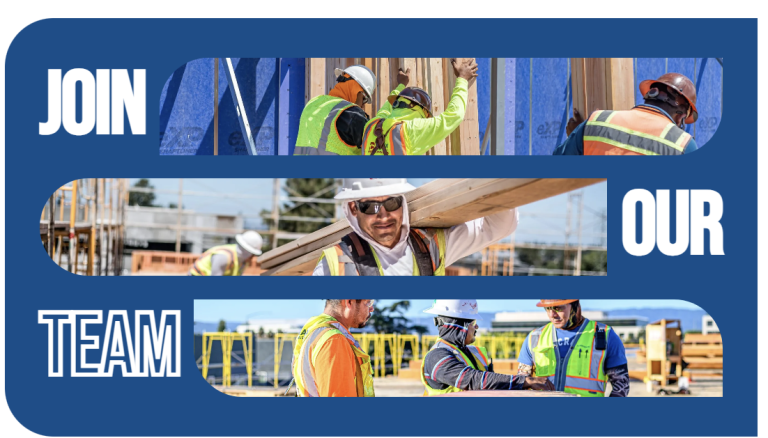
Wood framing has been around in construction for a really long time. But now we see more modern materials like steel and concrete showing up in commercial projects. This makes a lot of people wonder the same thing: Is wood framing still a good choice for commercial buildings?
Let’s look at where wood framing stands today. We’ll see how it compares to other options and when it makes the most sense to use it.
When we talk about wood framing in commercial construction, we usually mean “light-frame construction.” This uses regular lumber or engineered wood products. You’ll often see it in shorter buildings like:
Most people think wood framing is just for houses. But it plays a big part in commercial building too. This is especially true for buildings that don’t go higher than five or six stories.
Wood framing stays popular because it has real benefits. Here are some of the best reasons to choose it:
Lower Cost
Wood costs less than steel or concrete. This goes for both materials and the work needed to install them. Wood needs fewer special tools and skills too. This can bring down your total building costs.
Faster Build Time
Wood weighs less and is easier to work with. This means you can frame faster. Your project moves along quicker and you spend less on labor time.
Better for the Environment
Wood is one of the few building materials that can be grown again. When you get it from responsible sources (like FSC-certified lumber), it’s a green choice. This appeals to builders who care about the environment.
Perfect for Multi-Unit and Low-Rise Buildings
For buildings under six stories, wood framing meets safety codes and structural needs. It keeps things simple and doesn’t cost too much.
Wood framing has clear benefits, but it’s not perfect for every project.
Fire Risk
Wood that hasn’t been treated can catch fire. But builders often use fire-retardant-treated (FRT) lumber. Building codes require proper sprinkler systems and fire-rated walls to lower this risk.
Moisture and Bug Problems
Wood can rot, bend, or attract termites if you don’t protect it right. You need regular upkeep and weatherproofing to keep it in good shape.
Limits on Structure
Wood framing has rules about how high and how much weight it can handle. It’s not great for really tall buildings or buildings with large open spaces without extra support from other materials.
Some areas have local building codes that limit where and how you can use wood framing.
Wood framing doesn’t work for everything. But in many cases, it’s the best choice.
Best Projects for Wood Framing:
Good Situations for Wood Framing:
If you’re working on a medium-sized project and want something that costs less and works well, wood framing is worth considering.
Wood framing still makes a lot of sense for the right commercial projects. It gives you speed, saves money, and helps the environment. This is especially true when your project is short and follows building codes.
But it’s not right for everyone. Areas with lots of moisture or buildings over five stories might work better with steel or concrete.
Need help deciding? At Ciarra Construction, we work with both wood and steel framing for commercial buildings across San Jose. Contact us today and let’s figure out what works best for your project!
We use cookies to improve your experience on our site. By using our site, you consent to cookies.
Manage your cookie preferences below:
Essential cookies enable basic functions and are necessary for the proper function of the website.
These cookies are needed for adding comments on this website.
Google reCAPTCHA helps protect websites from spam and abuse by verifying user interactions through challenges.
WP Consent API is a plugin that standardizes the communication of accepted consent categories between plugins.
Statistics cookies collect information anonymously. This information helps us understand how visitors use our website.
Google Analytics is a powerful tool that tracks and analyzes website traffic for informed marketing decisions.
Service URL: policies.google.com (opens in a new window)